Smart Financing Tips for Buying a Tractor in 2025
Smart Finance Options to Buy a Tractor in 2025
Choosing to buy a tractor is one of the most significant financial decisions a farmer or landowner can make. With technological advancements and finance options evolving, it’s essential to explore what’s available before making your purchase. In 2025, the tractor market is saturated with innovative financing options, making it easier than ever to acquire this essential equipment without mounting debt. If you’re considering investing in a tractor, here’s what you need to know before making that purchase.
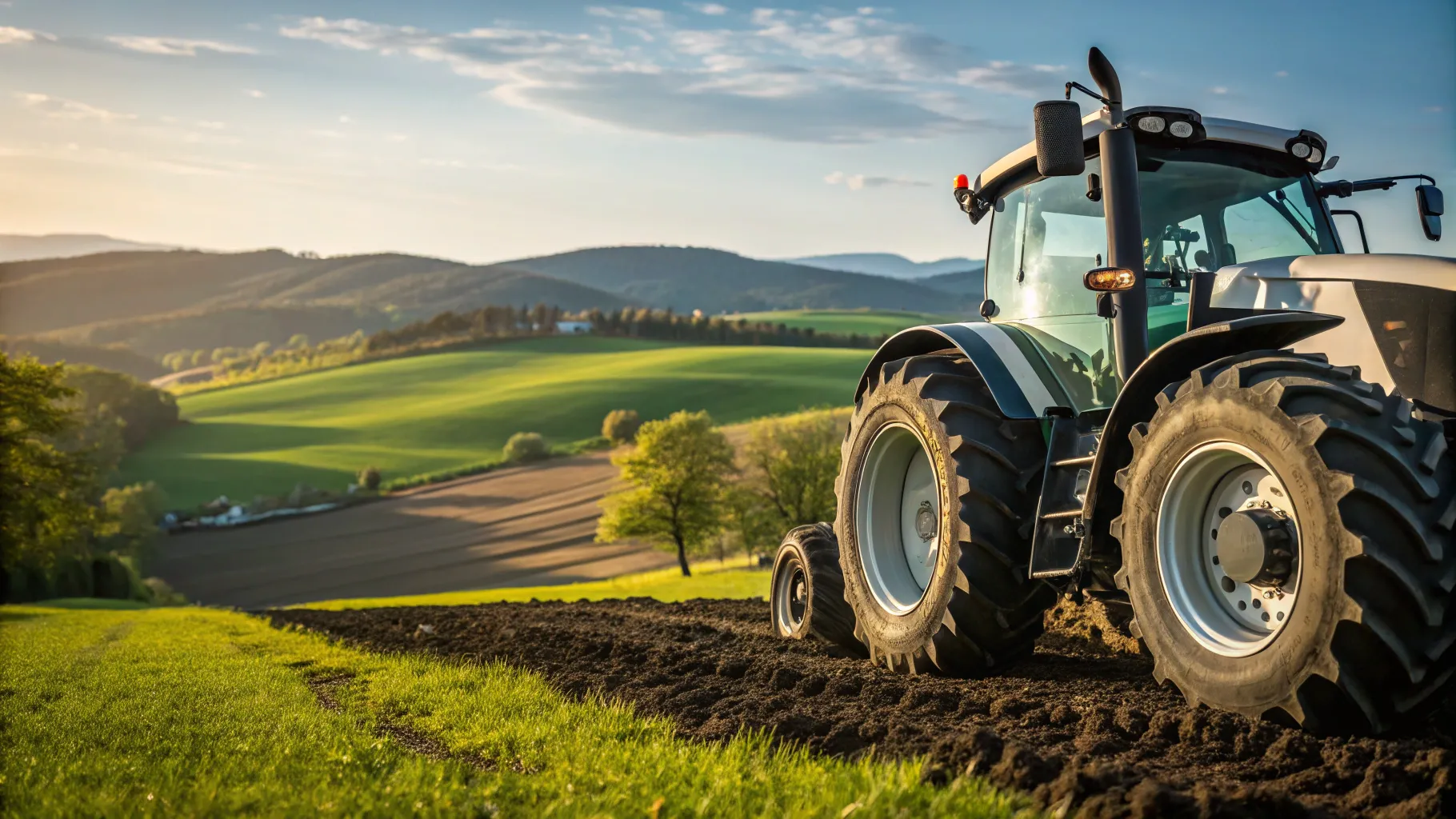
Before You Buy a Tractor Here’s What You Need to Know
Understanding the various factors involved in purchasing a tractor will equip you to make informed decisions. The first step is doing your research on the current tractor price list. The prices of tractors can vary widely based on brand, model, and features. As of 2025, new tractors range from $15,000 for basic models to well over $200,000 for high-end models equipped with advanced technology.
It's also important to assess your needs. Are you looking for a tractor for light gardening or agricultural work? Or do you need something that can handle heavy-duty tasks? Knowing your requirements will allow you to choose the right model and avoid overspending. Additionally, keep an eye on seasonal sales; for instance, manufacturers often roll out excellent discounts during Black Friday and Cyber Monday.
Exploring Financing Options
Financing plays a crucial role in making tractor ownership more accessible. Here are some smart finance options to consider:
- Buy Now Pay Later: This option allows you to take your tractor home immediately and defer payments for a set period, typically 6 to 12 months. Some dealerships offer attractive terms that come with low or zero interest during the initial period, making it an appealing option for busy farmers waiting for cash flow from harvest.
- Pay Monthly Offers: Spread out the cost of your tractor over several months to make it less burdensome. Many lenders provide tailored loan terms based on your financial situation, so you can find a plan that fits your budget. Monthly payment plans span anywhere from 3 to 10 years.
- Lease Options: Leasing a tractor can be a practical choice for those who need flexibility. With lease agreements, you can have lower initial costs and the option to upgrade once the lease ends. This is particularly beneficial if technology in farming equipment continues to advance.
- Government Loans and Subsidies: Depending on your location, there might be government support available for farmers looking to purchase tractors. Check local and federal programs that offer low-interest loans or grants to help you reduce equipment costs.
As of early 2025, farmers are being increasingly encouraged to invest in modern equipment that supports sustainable practices, which sometimes come with state-sponsored financial incentives. This can include anything from eco-friendly machinery to equipment that uses less fuel or incorporates precision agriculture technology.
Current Trends in Tractor Financing
Recently, we’ve seen an uptick in innovative finance options in the agricultural sector. For example, some dealers are experimenting with cryptocurrency payments, allowing buyers who are financially savvy to make significant savings. Others provide flexible financing solutions backed by financial technology (fintech) companies that streamline the process with minimal paperwork.
Moreover, it's essential to bear in mind that the interest rates for financing tractors have been historically low in 2025 compared to previous years. This trend can save you a considerable amount of money over time. Buyers should take advantage of the competitive market rates offered by banks and credit unions to find the best financing deal available.
Recent studies suggest that tractors equipped with GPS or smart technology have become more popular among farmers looking to maximize efficiency and improve productivity. These advanced models can come with higher price tags, but financing options—coupled with potential tax deductions for business use—can make them more affordable.
Tax Implications on Purchasing Tractors
Another vital aspect to consider is the tax implications associated with purchasing a tractor. In many regions, capital purchases can be depreciated over a set period, allowing you to deduct a portion of the cost from your taxable income each year. On top of this, trade-in allowances can significantly reduce the financial burden; some states also offer tax breaks for farmers who invest in environmentally friendly technologies.
Before you make any decisions, consult with a tax professional to understand how the purchase will affect your financial situation. For groups like the American Farm Bureau Federation, it’s essential to stay updated on legislation affecting agricultural equipment purchases to maximize benefits.
As the 2025 market continues to evolve, so do the options available for buyers. Networking with other farmers can help you gather insights and recommendations on the best financing paths based on real-life experiences. Join farmer groups online or locally to discuss what worked and what didn’t when they bought their tractors.
In summary, if you're considering purchasing a tractor this year, take your time to investigate all finance options. Whether it’s through traditional loans, leasing, or innovative buy now pay later programs during event sales like Black Friday or Cyber Monday, you have numerous ways to make your machinery fit your budget while ensuring your agricultural needs are met efficiently.
Authored by Lists Ranker team